













Sequence Wiz electronic health records system for yoga therapists

Step 5: Get to know your student

Put your stamp on it

Activate student portals

Set up scheduling

Make your forms

Get to know your student

Create effective practices

Record student’s journey

Deepen your expertise

Organize your records to better serve your students

With Sequence Wiz, you can visually map your students’ physical concerns, set goals, and conduct yogic assessments to better understand your students and create more effective practices for them.

Structural observations

Record your observations of the student’s physical structure, both in stillness and in motion, and assess the elements for stability, mobility, relationships, and symmetry.

Goals

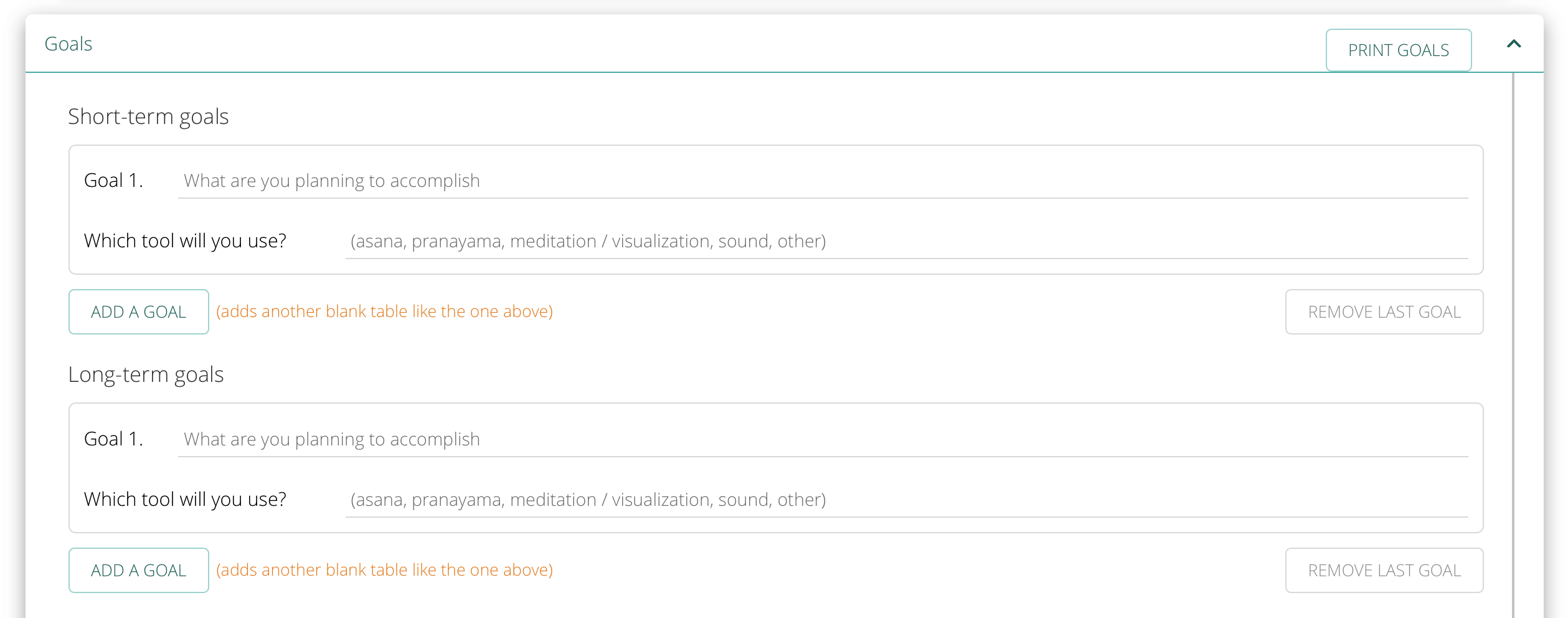
Set goals to define the direction of your work and choice of strategies, and to help your students narrow their focus and set their expectations.

Yogic Assessments

The yoga tradition has its own models for assessing the student’s system-wide state of health and well-being and for choosing specific strategies to facilitate healing.

Getting started is simple:

Record your observations about the student’s structure in Student Profile > Structural Observations tab. Get ideas about what to look for in the short video below.

In Sequence Wiz, you can set long-term and short-term goals for your work with students. To set goals, go to Student Profile > Goals. You can add as many goals as you wish and modify them at any time.


Read more about goals >>>

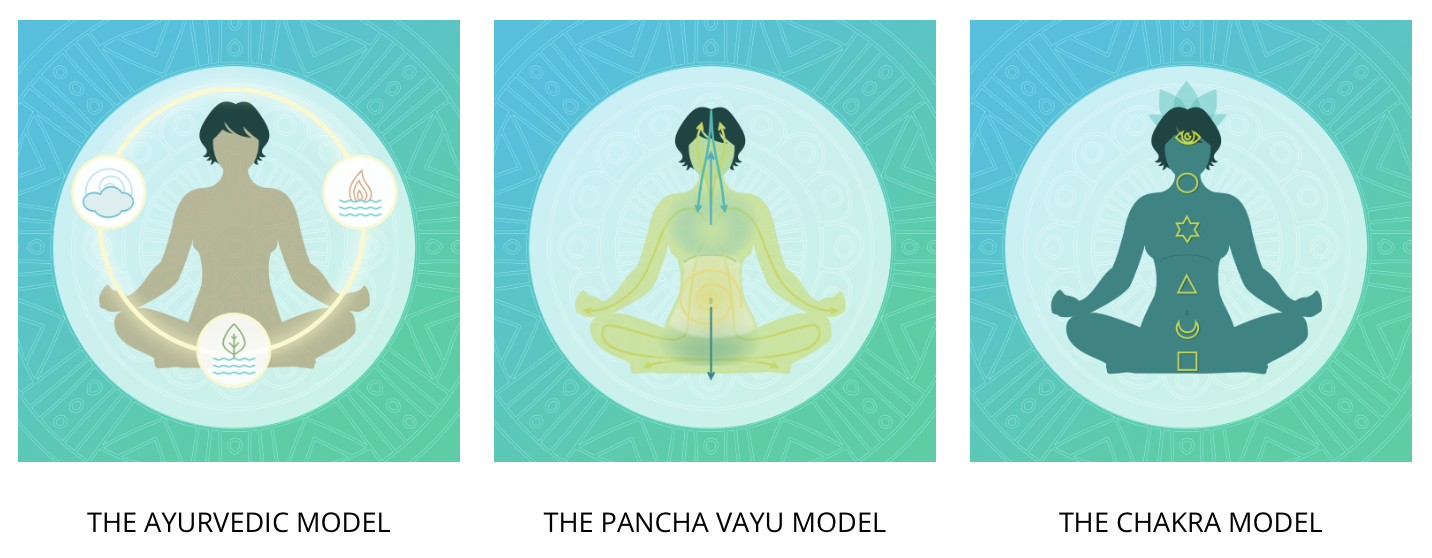
Sequence Wiz gives you an option to assess your student based on traditional yogic models. The choice of an appropriate model will depend on the type of manifested imbalance, student’s needs, and your familiarity with the model. You can record your findings under Assessments tab.

Ayurvedic assessment is an evaluation of the student’s constitutional type (vata, pitta, kapha, and their combinations), which reflects their mind-body traits. It identifies specific qualities that appear to be balanced within the student’s entire system, the qualities that appear to be out of balance, and the factors that could potentially cause the imbalances.


Energetic assessment evaluates the flow of prana (life force energy) throughout the system. The Pancha Vayu model can be used to assess the movement of nourishment throughout the system. It is used to evaluate the student’s current physiological state and identify the locations where energy flow is impeded.


Personality assessment evaluates the states of excess and deficiency within each of the body’s main energetic centers, i.e., the chakras. It is used to understand how the student’s experiences, cultural conditioning, habits, and past physical and emotional injuries influence their deeply held beliefs about themselves and their place in the world as well as their functioning in daily life.


Read more about Conducting a Yogic Assessment >>>

Check out the Ayurvedic, Energetic and Personality Assessment Examples on your Student’s Profile

Do you need any help?

Visit out HELP SITE to find answers to all your question or fill out the contact form on the site to get help.